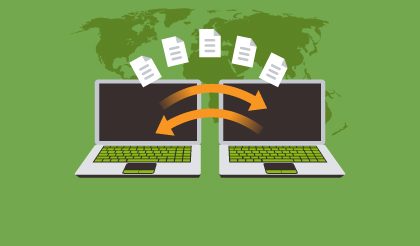
Upgrading to a new computer is an exciting step, but if you use QuickBooks to manage your business finances, it is important to transfer the software and your company data correctly. A proper transfer ensures that you can continue managing invoices, payroll, expenses, customer information, vendor records, and financial reports without interruption.
Prepare Before Transferring QuickBooks
Before moving QuickBooks to another computer, spend a few minutes preparing your data.
Make sure you:
- Create a recent backup of your company file.
- Close QuickBooks on the old computer.
- Verify that the company file is working properly.
- Ensure the new computer has enough available storage.
- Check that the operating system is compatible with your QuickBooks version.
Proper preparation helps reduce the risk of data loss.
Create a Company File Backup
A backup is the most important part of the transfer process.
A recent backup protects important business information such as:
- Customer records
- Vendor information
- Payroll data
- Financial reports
- Banking transactions
- Inventory details
Always verify that the backup is complete before moving to the new computer.
Install QuickBooks on the New Computer
Install the same QuickBooks edition and version that you use on your previous computer whenever possible.
A proper installation helps ensure:
- Better compatibility
- Smooth data transfer
- Reliable performance
- Access to all company features
Allow the installation to finish before opening the software.
Transfer the Company File
- Move the company file from the old computer to the new one using a secure storage method.
- After transferring the file, place it in an easily accessible folder on the new computer.
- Avoid changing the file name during the transfer unless necessary.
Open the Company File
Start QuickBooks on the new computer and open the transferred company file.
Verify that:
- The file opens successfully.
- Company information is displayed correctly.
- Financial records are complete.
- Reports load normally.
This confirms that the transfer was successful.
Verify Company Data
Carefully review your accounting information after opening the file.
Check items such as:
- Customer information
- Vendor records
- Bank accounts
- Payroll information
- Reports
Recent transactions
Verifying your data helps ensure that nothing was missed during the transfer.
Update QuickBooks
If updates are available, install them after completing the transfer.
Keeping QuickBooks updated provides:
- Improved security
- Better compatibility
- Performance enhancements
- Bug fixes
Restart the computer after installing updates.
Update the Operating System
An updated operating system improves QuickBooks performance.
Current updates help provide:
- Better compatibility
- Improved stability
- Enhanced security
- Reliable performance
Restart the computer after completing system updates.
Configure Printer Settings
- If you print invoices, reports, or checks, verify that your printer is configured correctly on the new computer.
- Print a test page to confirm that QuickBooks communicates with the printer successfully.
Test QuickBooks Features
Before using QuickBooks for daily work, test several common functions.
Verify that you can:
- Open the company file
- Create invoices
- Record expenses
- Generate reports
- Save changes
- Print documents
Testing ensures the software is ready for regular use.
Common Problems During Transfer
Some users experience issues after moving QuickBooks to a new computer.
Common problems include:
- Company file will not open
- Missing company data
- Printer setup issues
- Permission errors
- Slow software performance
- Network connection problems
- Missing updates
- File access issues
Most of these problems can be resolved through careful troubleshooting.
Restart the Computer
- If QuickBooks does not work properly after the transfer, restart the new computer.
- A restart refreshes system resources and often resolves temporary software issues.
Perform Routine Maintenance
Regular maintenance helps keep QuickBooks running efficiently on your new computer.
Routine maintenance includes:
- Updating QuickBooks
- Creating company file backups
- Maintaining available storage space
- Updating the operating system
- Restarting the computer regularly
- Reviewing company file health
Routine care improves long-term performance.
Tips for a Successful QuickBooks Transfer
Following these best practices helps ensure a smooth migration.
Create Regular Backups
Backups protect your financial information before and after the transfer.
Keep QuickBooks Updated
Updated software improves compatibility and stability.
Verify the Company File
Check your data after completing the transfer.
Maintain Sufficient Storage
Adequate storage supports better application performance.
Restart the Computer After Installation
A restart helps activate new software components.
Test QuickBooks Before Daily Use
Verify that all major features work correctly.
Common Mistakes to Avoid
Avoid these common mistakes:
- Skipping the company file backup
- Moving an incomplete company file
- Ignoring QuickBooks updates
- Forgetting to verify transferred data
- Renaming the company file unnecessarily
- Running low on available storage
- Ignoring operating system updates
- Skipping routine maintenance
Avoiding these mistakes helps ensure a successful transfer.
FAQs
How do I move QuickBooks to a new computer?
Begin by creating a backup of your company file, install QuickBooks on the new computer, transfer the company file, open it in QuickBooks, verify your data, and test the software before regular use.
Will I lose my company data during the transfer?
Not if you create a complete backup and transfer the company file correctly. Verifying your data after the transfer helps ensure everything is intact.
Should I update QuickBooks after moving it to a new computer?
Yes. Installing the latest updates improves compatibility, security, stability, and overall performance.
Why should I verify my company file after transferring it?
Checking your company file ensures that customer records, financial data, payroll information, reports, and transactions were transferred successfully.
How can I prevent problems when transferring QuickBooks?
Create regular backups, install the correct QuickBooks version, verify your company data after the transfer, keep QuickBooks and your operating system updated, maintain sufficient storage space, restart the computer after installation, and perform routine software maintenance.
Conclusion
Transferring QuickBooks to a new computer is a straightforward process when you prepare carefully and protect your company data. Most transfer issues are caused by incomplete backups, outdated software, missing company files, permission problems, or temporary system issues rather than permanent data loss.
